
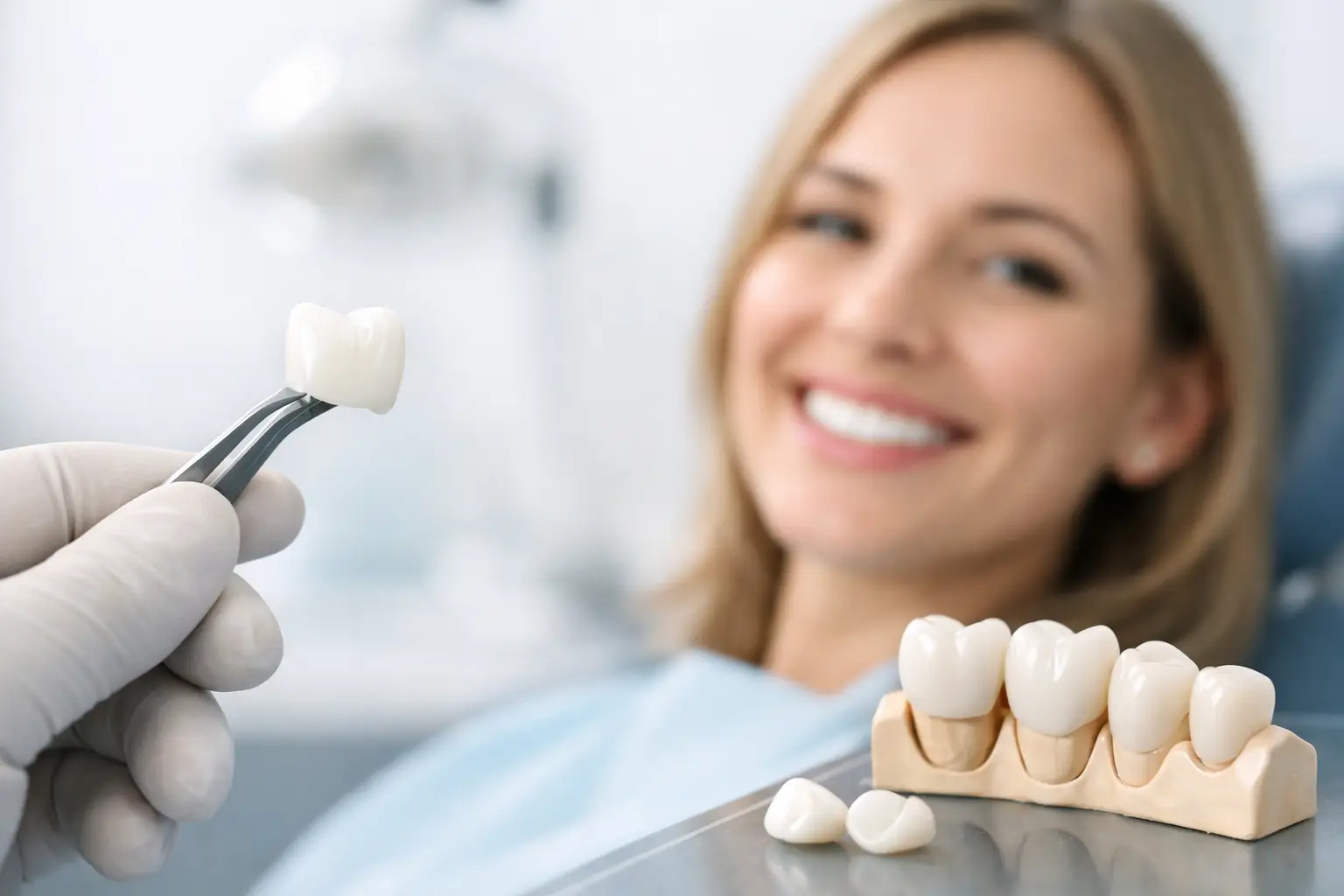
A crown should make a weakened tooth feel protected, not leave you worrying about what has been placed in your mouth. So, are zirconia crowns safe? For most suitable patients, yes. Zirconia is widely used in modern restorative dentistry because it is strong, highly biocompatible, and able to create a natural-looking smile without the dark metal edge associated with some older crown types.
Safety, however, is not just about the crown material. It also depends on the health of the tooth underneath, the accuracy of the bite, the quality of the preparation, and whether zirconia is the right choice for your goals. For patients traveling for a smile transformation, that careful planning matters as much as the final Hollywood Smile result.
Are Zirconia Crowns Safe for Your Mouth?
Zirconia is a ceramic material made from zirconium dioxide. It is not metal, even though its strength can be comparable to metal-based dental restorations. Dentists value it because the body generally tolerates it very well. Unlike some metal alloys, zirconia does not corrode in the mouth and does not release metal ions over time.
For this reason, zirconia crowns are often considered a good option for patients who have concerns about metal sensitivity or who prefer a metal-free restoration. True allergic reactions to zirconia are extremely rare. If you have had reactions to dental materials, jewelry, latex, local anesthetic, or bonding agents in the past, tell your dentist before treatment. Your medical and dental history should always guide material selection.
A properly fitted zirconia crown has a smooth, polished surface that is friendly to surrounding gum tissue. Healthy gums should sit naturally around the crown margin, helping the restoration look like part of your own smile rather than an obvious dental treatment.
Why Zirconia Is Used in Modern Smile Restorations
The appeal of zirconia is not based on appearance alone. It offers a practical balance of strength, appearance, and long-term stability. This makes it especially useful for back teeth, where chewing forces are high, and for patients having several crowns as part of a full-mouth rehabilitation.
Traditional porcelain crowns can look beautiful but may be more prone to chipping under heavy bite pressure. Older porcelain-fused-to-metal crowns are durable, but the metal beneath the porcelain can sometimes create a gray shadow near the gum line. Modern zirconia can provide excellent durability without that metal framework.
For visible front teeth, the best option depends on your desired level of translucency, your natural tooth color, your bite, and how much tooth structure remains. Some patients may be better suited to E-max veneers or crowns for highly translucent front-tooth aesthetics. Others benefit from layered zirconia, which combines a strong zirconia core with a more lifelike ceramic finish. A responsible treatment plan does not use one material for every situation simply because it is popular.
The Safety Risks Are Usually About Planning, Not Zirconia
Zirconia itself has an excellent safety profile, but every dental crown procedure carries considerations. A crown changes the outer surface of a tooth, and the tooth must be prepared carefully enough to create space for the material. If too much natural tooth is removed unnecessarily, or if a crown is selected where a more conservative treatment would work, the result may not serve the tooth well over time.
The crown also has to fit precisely. A poorly fitting margin can trap plaque and make it harder to clean around the gum line. This can increase the risk of gum inflammation, cavities at the crown edge, and unpleasant breath. Those are not inherent problems with zirconia. They are problems of diagnosis, design, manufacturing, or placement.
Your bite deserves equal attention. Zirconia is very strong, which is a benefit, but a crown that is too high or shaped incorrectly can create discomfort, jaw strain, or excess force on the opposing tooth. Advanced digital scans, bite assessment, and careful adjustment help protect both the crown and the teeth around it.
For patients who clench or grind their teeth, zirconia may be an excellent material choice because of its strength. Still, a night guard may be recommended after treatment. A crown should not be expected to solve bruxism on its own.
Can Zirconia Damage Opposing Teeth?
This is one of the most common concerns. In the past, some patients and clinicians worried that zirconia was so hard it could wear down the tooth biting against it. The more accurate answer is that surface finish matters greatly.
A well-polished zirconia crown is designed to be gentle on opposing enamel. If the surface becomes rough after adjustment and is not polished correctly, it can create more wear over time. This is why post-placement polishing and bite checks are not minor finishing steps. They are part of safe, quality dentistry.
The same principle applies to any crown material. A natural bite is dynamic, and every patient chews differently. Patients with heavy grinding, uneven bites, existing tooth wear, or jaw joint symptoms may need a more detailed functional assessment before starting cosmetic treatment.
Who Should Pause Before Getting Zirconia Crowns?
Zirconia crowns are suitable for many people, but treatment should be delayed or reconsidered in certain circumstances. Active gum disease, untreated decay, an infection at the root, or a tooth with too little healthy structure may need treatment before a crown can be placed.
A crown cannot strengthen a failing root or cure gum disease. In some cases, root canal treatment, gum treatment, a buildup, or an implant may be the safer long-term path. Patients seeking a dramatic cosmetic change should be especially cautious of plans that promise to crown every tooth without first discussing oral health, bite function, and alternatives.
Pregnancy, certain medical conditions, medications that affect healing, and severe dry mouth can also influence timing or aftercare. These factors do not automatically rule out crowns, but they should be part of an open clinical conversation. A good smile design starts with health, then builds beauty on top of it.
What Safe Zirconia Crown Treatment Should Include
If you are considering treatment abroad, safety begins before you book a flight. A detailed online consultation should allow the dental team to review clear photos, X-rays when available, your concerns, and your expectations. Once you arrive, an in-person examination and panoramic X-ray help confirm whether the proposed plan is appropriate.
A carefully organized zirconia crown journey usually includes tooth and gum assessment, digital or physical impressions, shade selection, temporary teeth when needed, crown try-in, bite adjustments, and final cementation. Temporary restorations are not just cosmetic. They let the patient and dentist assess shape, length, comfort, and speech before the final crowns are fitted.
At Letsmile Turkiye, international patients can combine their treatment planning with an organized Antalya stay, including accommodation and VIP transfer support within selected packages. That coordination is helpful, but it should never replace clinical discussion. Ask how many treatment days are needed, whether temporary teeth are included, what happens if additional care is discovered, and what aftercare guidance you will receive when you return home.
How to Look After Zirconia Crowns Long Term
Zirconia crowns do not decay, but the natural tooth and gums around them still can. Daily brushing with a soft toothbrush, cleaning between teeth, and regular hygiene appointments remain essential. Your dentist may recommend floss, interdental brushes, or a water flosser depending on the shape of your crowns and the spaces between them.
Avoid using crowned teeth to open packaging, crack ice, or bite hard non-food objects. If you wear a night guard, use it consistently. Contact a dentist if a crown feels loose, your bite suddenly changes, you have persistent sensitivity, or your gums bleed around the crown. Prompt attention can prevent a small issue from becoming a larger one.
With thoughtful diagnosis, precise workmanship, and good aftercare, zirconia crowns can be a safe, beautiful, and durable part of a new smile. The most reassuring next step is a personalized consultation that looks beyond the color and shape you want and considers the healthy foundation your lasting smile needs.