
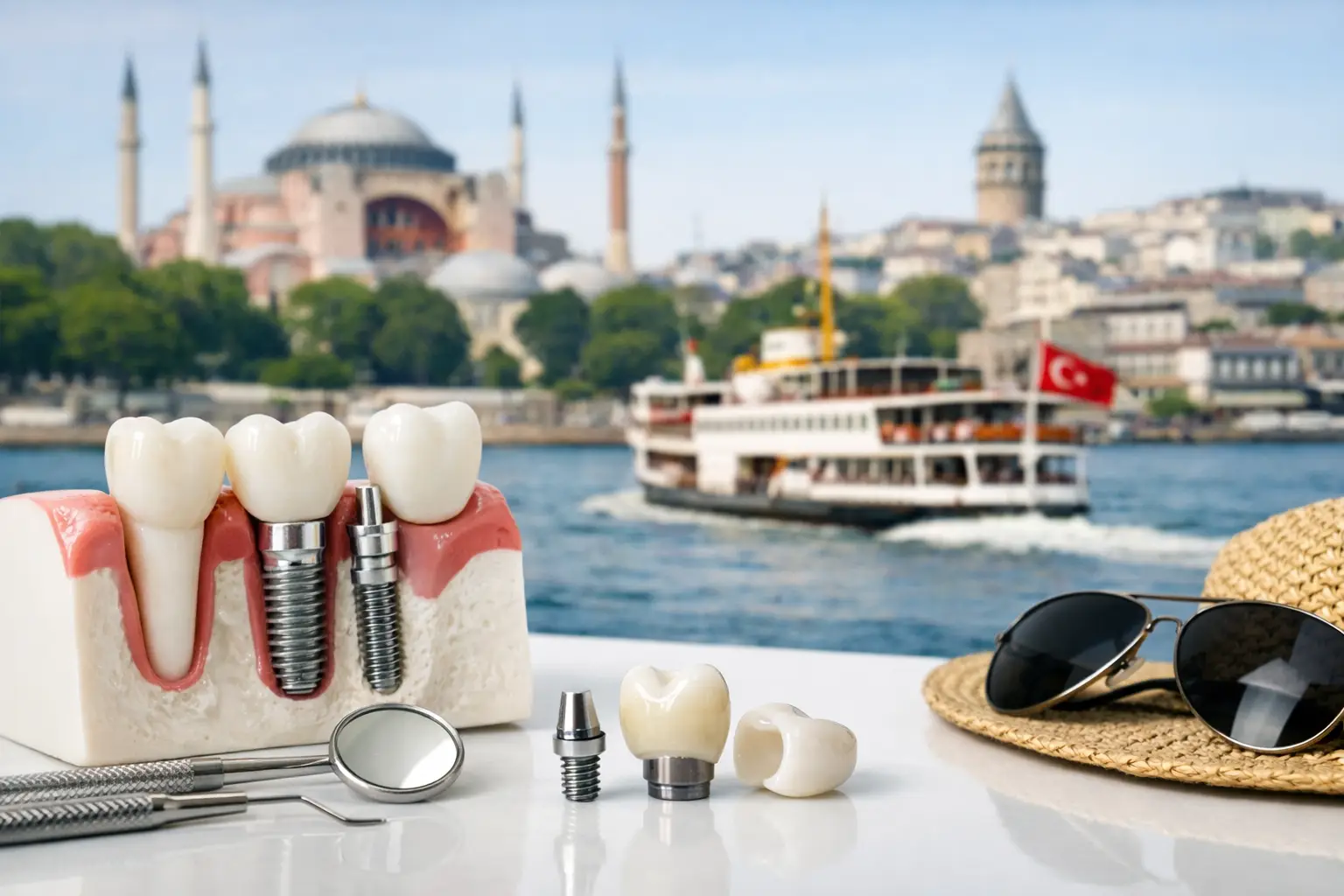
A missing tooth can affect far more than your ability to chew. It can change the way you smile in photographs, make certain foods uncomfortable, and leave you feeling self-conscious in social settings. If you are asking, “what does implant treatment include?” the answer should cover more than the implant itself. For international patients, it should also explain the diagnosis, restoration, temporary teeth, treatment schedule, and the practical support required for a comfortable journey abroad.
Dental implant treatment is tailored to your mouth, bone level, number of missing teeth, and smile goals. A single implant is very different from a full-mouth All-on-4 or All-on-6 restoration. The most trustworthy treatment plan is one that clearly separates what is clinically necessary from what is included as part of your Antalya dental package.
What Does Implant Treatment Include?
At its core, implant treatment replaces a missing tooth root with a small titanium post that is placed in the jawbone. Once the implant is stable, it supports a custom crown, bridge, or full-arch prosthesis designed to look and function like natural teeth.
A complete plan commonly includes an initial dental assessment, panoramic X-rays or 3D imaging where needed, implant placement, a healing period, and the final restoration. If you have damaged, infected, or loose teeth, extractions may be included before implants are placed. Patients receiving full-mouth rehabilitation may also need gum treatment, bone grafting, sinus lifting, or bite adjustments. These are not automatically required, which is why an online consultation and clinical examination are essential before confirming the final plan.
For patients traveling from the US, UK, or Europe, a package may also include temporary teeth, hotel accommodation, VIP airport transfers, local transportation, and scheduled follow-up appointments. These details matter because implant dentistry is a process, not a single appointment.
Your Consultation, X-Rays, and Treatment Planning
Every successful implant journey begins with planning. Your dentist needs to assess the health of your gums, the quality and volume of your jawbone, the position of nearby teeth, and the way your upper and lower teeth meet. A panoramic X-ray is often used to provide an overview of your oral health, while a 3D scan may be recommended for more detailed implant planning.
During a free online consultation, you may be asked to send recent dental X-rays and clear photographs of your teeth. This gives the clinical team an early view of your needs and helps create a preliminary quote. However, the final treatment recommendation should always be confirmed once you arrive and have been examined in person.
This stage is also where cosmetic goals are discussed. If your implant will be visible when you smile, the final crown should be selected for its color, shape, and proportion alongside the surrounding teeth. If you are having a full-arch restoration, your dentist will consider facial balance, lip support, bite function, and the kind of radiant Hollywood Smile you want to achieve.
Implant Placement and Any Necessary Preparatory Care
The surgical stage involves placing the implant post into the jawbone under local anesthesia. Most patients describe pressure rather than pain during the procedure. Afterward, mild swelling or tenderness is possible for several days, particularly when multiple implants or extractions are involved.
Before placement, some patients need preparatory treatment. This can include removing failing teeth, treating gum disease, or rebuilding lost bone with a graft. Bone grafting can add healing time, so it is one of the biggest factors affecting the overall schedule. Patients with sufficient bone and healthy gums may be eligible for a more direct implant route, while others need a staged approach for the best long-term foundation.
For full-mouth cases, All-on-4 and All-on-6 techniques may allow a complete arch of teeth to be supported by four or six strategically positioned implants. Whether this is appropriate depends on your anatomy, bone availability, and clinical condition. It is not simply a matter of choosing the fastest option. The right number and position of implants should support a stable, lasting result.
Temporary Teeth During the Healing Period
One of the most common concerns is whether you will leave the clinic without teeth. In many implant cases, temporary teeth are provided so you can smile and speak confidently during healing. These may be a temporary crown, bridge, or fixed temporary full arch, depending on your treatment plan.
Temporary teeth are not just cosmetic. They help protect the treatment area and allow the dentist to assess the appearance, speech, and bite before creating the final restoration. They are usually made from a lighter material than the final teeth, so patients should follow dietary advice carefully and avoid putting excessive force on them.
Immediate temporary teeth are not suitable for every patient. Implant stability, bone quality, bite pressure, and the number of implants all affect whether an immediate fixed solution is safe. If your dentist recommends a different temporary option, it is generally to protect the healing process rather than compromise your smile.
The Final Crown, Bridge, or Full-Arch Smile
After the implants integrate with the jawbone, your final teeth are designed and fitted. This process is called osseointegration, and healing times vary from person to person. Many patients return for a second visit after several months, although the exact timeline depends on the procedure and your clinical needs.
For a single missing tooth, the final restoration is typically an implant crown. For several missing teeth, implants can support a bridge. For extensive tooth loss or failing dentition, a full-arch prosthesis can restore an entire upper arch, lower arch, or both.
Final restorations are made to be strong, natural-looking, and comfortable. Materials may include zirconium or other high-quality ceramic options selected for durability and esthetics. Your dentist will check the fit, color, bite, and gum contour carefully. Small adjustments are normal and help make the final result feel natural when you talk, smile, and eat.
What Is Usually Included in an Implant Package in Turkey?
Package inclusions vary between clinics, so patients should never assume that every advertised price covers the same services. At Letsmile Turkiye, the goal is to organize the dental and travel experience clearly, so you can focus on your transformation rather than coordinating every detail from abroad.
A well-structured implant package may include:
- Initial consultation and treatment planning
- Panoramic X-rays and required clinical examinations
- Implant surgery and temporary teeth where clinically appropriate
- Extractions included in the confirmed plan
- Hotel accommodation, VIP airport transfers, and local transfers
- Follow-up checks during your stay and a clearly planned return visit for final teeth
Ask whether the quoted price includes the implant post, abutment, and final crown or bridge. These are separate components, and a low headline price can be misleading if essential stages are added later. You should also ask about the implant brand, restoration material, possible costs for bone grafting, medication, and the number of hotel nights included.
How Long Does Implant Treatment Take?
A straightforward implant placement trip can often be completed over several days, especially when temporary teeth are planned. Your first stay may include examinations, extractions if needed, implant placement, and temporary restorations. A second visit is usually required for the final crown, bridge, or full-arch restoration after the healing period.
Some cases can be completed more quickly, while others take longer because bone grafting or additional healing is needed. A responsible clinic will not promise the same timeline to every patient before reviewing X-rays and examining the mouth. The best schedule balances convenience with the biological healing needed for a beautiful, lasting smile.
Questions to Ask Before You Book
Before choosing implant treatment abroad, request a written plan that states the number of implants, type of final restoration, expected treatment days, and what is included in the package. Ask what happens if the in-person examination identifies a need for extra procedures. Transparency at this point helps prevent unwanted surprises later.
It is also wise to ask how your bite will be planned, what temporary teeth you will receive, and when you can expect your final restoration. Review before-and-after cases that resemble your own starting point, especially if you are considering All-on-4, All-on-6, or a complete smile reconstruction. A dramatic result should still be built on sound function, healthy gums, and a treatment plan made for you.
Your implant treatment should feel organized from the first consultation to the final smile check. Bring your questions, share your goals honestly, and choose a plan that gives equal attention to clinical care, travel comfort, and the confidence you want to feel when you smile again.